How to Fail a VA Sleep Apnea Test is a surprisingly common search phrase among veterans trying to understand why sleep apnea claims are so frequently denied. While no one should intentionally fail a medical evaluation, many veterans unintentionally “fail” the process due to missing evidence, unclear symptom documentation, or misconceptions about how VA sleep studies and disability exams work. Understanding these pitfalls is the key to avoiding them.
By understanding what typically causes sleep apnea tests or claims to fall short, veterans can better prepare, present accurate medical information, and increase the likelihood that their condition is properly recognized and evaluated by the VA.
How Hard Is It to Prove Sleep Apnea to the VA?
Proving sleep apnea to the VA can be challenging, primarily because the VA requires three distinct elements to grant service connection:
1. A Current Medical Diagnosis
This must be confirmed through a sleep study, also known as a polysomnography. A self-reported history of snoring or fatigue is not enough. The VA wants objective clinical evidence showing obstructive sleep apnea (OSA), central sleep apnea (CSA), or mixed sleep apnea.
2. Evidence the Condition Began in Service or Was Aggravated by Service
This is the hardest part for most veterans. Many did not undergo sleep studies while on active duty—primarily because sleep apnea was poorly understood years ago. As a result, the VA often states there is no direct in-service diagnosis, weakening the claim.
However, the VA may accept secondary evidence such as:
-
Reports of loud snoring from roommates or fellow service members
-
Documented fatigue, insomnia, or breathing issues
-
Weight gain during service
-
Exposure to burn pits or environmental hazards
-
PTSD, which can aggravate or cause sleep-related breathing disorders
3. A Nexus Linking Your Condition to Service
This is the most common reason for denial. A nexus letter from a medical professional must explain how your sleep apnea is “at least as likely as not” connected to your military service.
Without a strong nexus, the VA often rejects the claim—even if your diagnosis is clear.
How Often Does VA Deny Sleep Apnea?
Veterans frequently underestimate the difficulty of winning a sleep apnea claim. According to multiple VA-related data analyses and legal reviews, sleep apnea denial rates are among the highest for respiratory conditions.
Key patterns include:
1. VA Denies Many Claims Due to “Lack of Nexus.”
This is the single most common reason. Even a confirmed diagnosis from a sleep study does not automatically qualify a veteran for disability benefits.
2. Claims Without a Sleep Study Are Rarely Approved
Veterans who rely on symptoms alone, especially without a recent sleep study, often receive denials.
3. VA Scrutinizes Claims Involving CPAP Usage
A veteran may have a CPAP machine, but if the VA examiner determines it is not medically necessary or unrelated to service, a denial is likely.
4. Secondary Service Connection Claims Are Increasing
More veterans are claiming sleep apnea secondary to PTSD, asthma, or weight gain. These can be approved—but only with a strong medical rationale.
While exact percentages vary each year, VA law firms consistently report high denial rates, especially for:
-
Veterans lacking in-service medical documentation
-
Claims without professional nexus opinions
-
Claims filed without supportive lay statements
In short, VA denies sleep apnea frequently, especially when the supporting evidence is limited.
How to Make Sure You Pass a Sleep Apnea Test (Ethically and Accurately)
This is one of the most common questions among veterans—but it’s important to clarify what “passing” a sleep study really means.
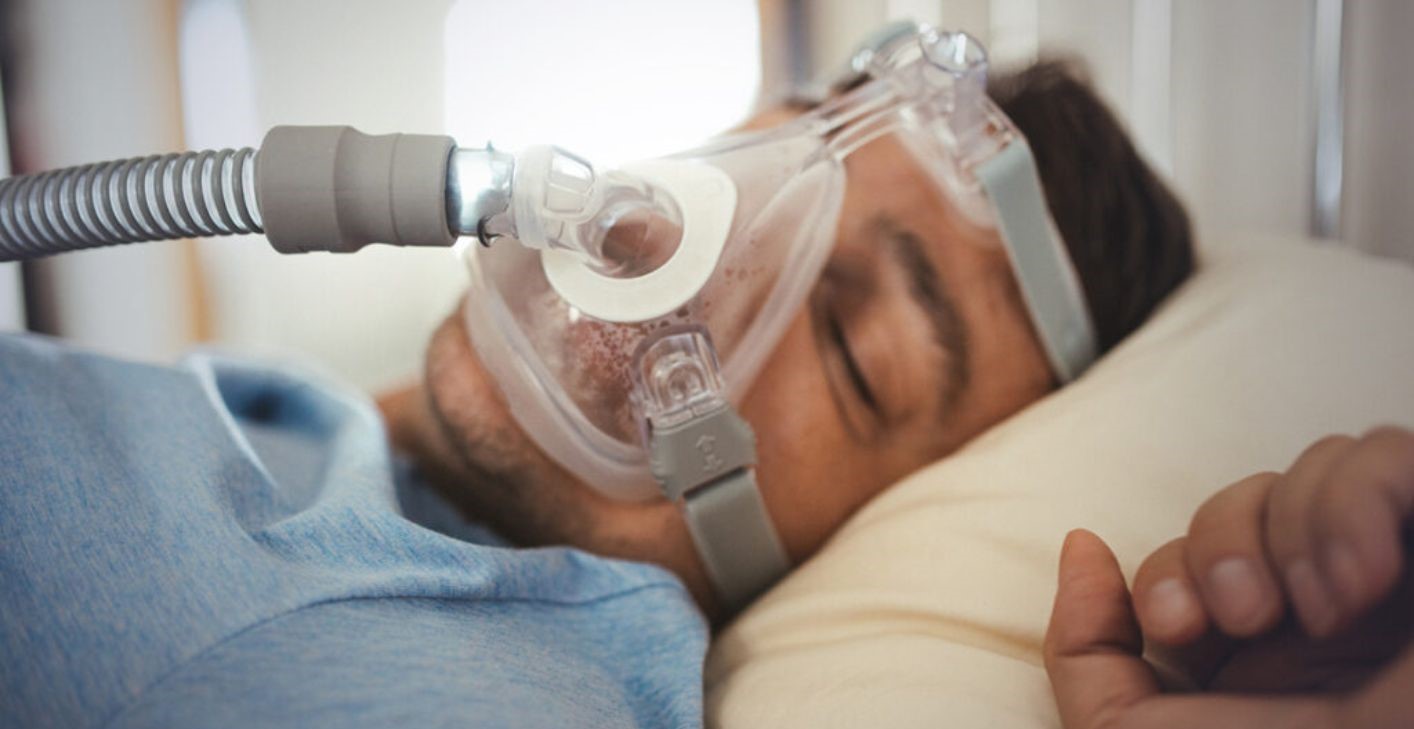
A sleep apnea test is not something you pass or fail.
It is a diagnostic medical procedure designed to measure:
-
Breathing interruptions
-
Airflow
-
Oxygen saturation
-
Heart rate
-
Brain wave activity
-
Sleep cycles
There is no benefit to influencing or manipulating the results. In fact, doing so can lead to:
-
Misdiagnosis
-
Safety risks
-
Difficulty accessing proper medical treatment
-
Potential issues with a VA disability claim
-
Long-term health complications
Instead, the goal is to ensure your sleep study accurately reflects your real-world sleep patterns.
Here is how to prepare properly and ethically:
1. Follow All Pre-Test Instructions
Your doctor may ask you to:
-
Avoid caffeine for several hours
-
Avoid alcohol
-
Take your medications as prescribed
-
Maintain your regular sleep routine
This helps ensure the results match your typical sleep patterns.
2. Sleep as Normally as Possible
Do not attempt to oversleep, under-sleep, or change your habits. Sleep studies detect abnormalities in breathing, not effort or performance.
3. Bring Items That Help You Sleep Comfortably
If the test is done at a clinic, bring:
-
A familiar pillow
-
Relaxing clothing
-
Earplugs if you’re sensitive to noise
A comfortable environment leads to more accurate readings.
4. Don’t Try to Change the Way You Breathe
The equipment measures your breathing patterns automatically. Trying to force symptoms or suppress them only leads to inaccurate and potentially harmful results.
5. Be Honest About Your Symptoms
During the consultation before the test, clearly describe:
-
Snoring patterns
-
Daytime fatigue
-
Witnessed breathing interruptions
-
Insomnia
-
Morning headaches
The more accurate your reporting, the better the medical team can evaluate your condition.
Bottom Line:
The best way to “pass” a sleep apnea test is simply to sleep naturally so the test can capture what’s happening in your body.
What Is the 3% Rule for Sleep Apnea?
The “3% rule” refers to a clinical guideline used in sleep studies to diagnose and classify the severity of sleep apnea. It measures oxygen desaturation, which occurs when breathing is repeatedly disrupted during sleep.
Here’s how it works:
During a sleep study, a breathing event is counted if:
Your oxygen level drops by 3% or more from your baseline.
Why this matters:
Sleep apnea severity is determined by the Apnea-Hypopnea Index (AHI). Hypopneas (partial obstructions) are counted only when:
-
Breathing is reduced by at least 30%
-
And oxygen drops by at least 3%
This standard helps doctors quantify the severity of a veteran’s sleep apnea.
How the 3% rule affects VA ratings:
The VA bases disability ratings on:
-
Diagnostic results
-
Severity of symptoms
-
Medical necessity of treatments (like CPAP)
While the 3% rule is not a VA regulation itself, it influences the medical diagnosis that the VA later uses to determine eligibility.
Why VA Sleep Apnea Claims Fail Even When Veterans Have a CPAP
Many veterans are shocked to learn that owning or using a CPAP machine does not guarantee a successful VA disability claim.
Here’s why:
1. The CPAP Must Be Medically Prescribed
A CPAP purchased independently does not count.
2. The VA Requires Proof of Service Connection
The CPAP only shows treatment—not cause.
3. Examiners May Say the CPAP Is Not “Medically Necessary”
If the VA examiner disagrees with the original doctor’s reasoning, the claim may be denied.
4. The VA Places High Emphasis on the Nexus Letter
Without a medical statement connecting sleep apnea to service (or to another service-connected condition), the claim is unlikely to succeed.
How to Strengthen a Sleep Apnea Claim (Legally and Successfully)
While this article does not provide instructions on manipulating medical results, it does offer legal and ethical strategies to improve your VA claim:
1. Obtain a Detailed Nexus Letter
A strong nexus letter should explain:
-
How your symptoms began
-
Why is the condition connected to the service
-
Medical reasoning behind the conclusion
-
Clinical references supporting the opinion
2. Collect Lay Statements
Statements from:
-
Spouses
-
Roommates
-
Fellow service members
…can provide valuable descriptions of snoring, gasping, choking, or fatigue during service.
3. Document All Symptoms Clearly
The more medical documentation you have, the better your chances.
4. Connect Sleep Apnea as a Secondary Condition
Common secondary connections include:
-
PTSD
-
GERD
-
Asthma
-
Deviated septum
-
Allergic rhinitis
-
Weight gain caused by service-connected injuries
Secondary claims often succeed when primary claims do not.
Final Thoughts
VA sleep apnea claims fail for many reasons—insufficient documentation, lack of nexus, missing sleep studies, or weak medical evidence. But with a clear diagnosis, honest reporting, proper medical support, and a strong nexus letter, veterans can significantly improve their chances of receiving the benefits they deserve.
For further reading on common issues surrounding VA sleep apnea claims, visit this detailed resource:
👉 How to fail a VA sleep apnea test