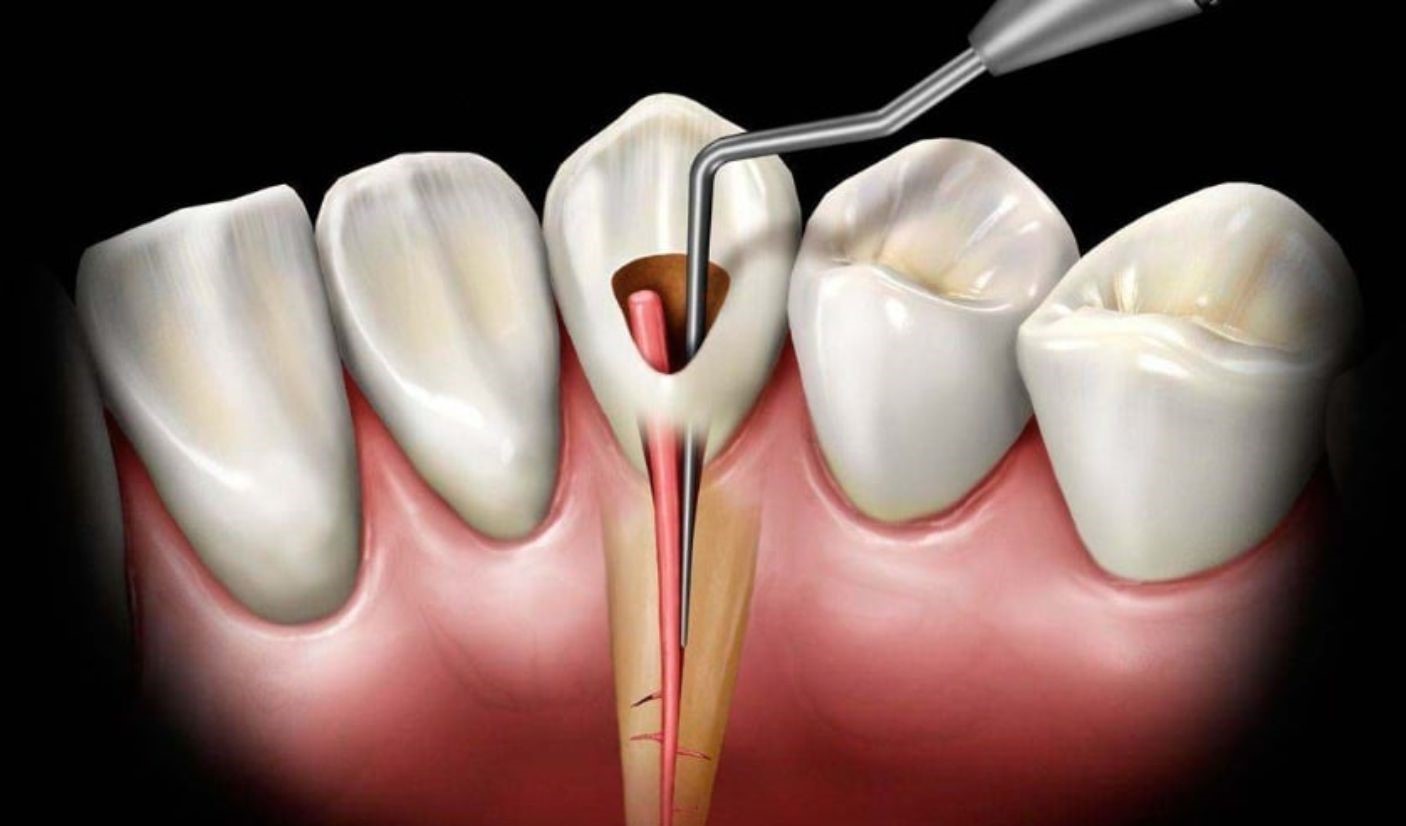
Does a root filling hurt? The quick answer: No, a root filling doesn’t hurt because dentists use local anesthesia to numb the area, making the procedure almost painless. Any discomfort afterwards is usually mild and temporary, similar to soreness from normal dental work.
Many people feel anxious when they hear words like root canal, root filling, or dental nerve treatment. These treatments have a reputation for being painful, but modern dentistry paints a very different picture.
In this detailed guide, you’ll learn exactly what happens during a root filling, how much it hurts, whether it’s worth it, and how long recovery takes. We’ll also include real experience references, including Does a Root Filling Hurt shared by online patients.
What Exactly Is a Root Filling?
A root filling is part of a procedure commonly known as a root canal treatment. It involves cleaning out the infected or damaged nerve inside a tooth and then filling the root canals with a special material called “gutta-percha.”
Why is it done?
A root filling is needed when:
-
A cavity goes too deep and infects the dental nerve.
-
A tooth suffers trauma and the nerve dies.
-
Severe tooth decay reaches the pulp.
-
There is an abscess or infection around the root.
Goal of the Treatment
The filling seals the canal and prevents bacteria from re-entering. Without it, the infection may spread and cause severe pain or tooth loss.
How Painful Is Root Canal Filling?
Thanks to modern anesthesia, the procedure is almost pain-free for most patients.
What You Will Feel
-
A slight pressure or vibration when the dentist cleans the tooth.
-
Numbness in the lips, gums, or tongue from anesthesia.
-
Mild soreness after the procedure, which usually lasts 1–2 days.
What You Will NOT Feel
-
Sharp pain during the procedure.
-
Severe or ongoing pain if properly treated.
Why Some People Think It Hurts
Older dental techniques were less advanced. Today’s procedures use:
-
Powerful numbing gels and injections.
-
Laser-assisted cleaning.
-
Painless, high-speed rotary tools.
Conclusion: On a pain scale, most patients rate root filling discomfort between 1–3 out of 10.
Is Root Filling Worth It?
Absolutely — root filling is one of the best dental treatments for saving damaged teeth.
What Happens If You Don’t Get It?
Skipping treatment can lead to:
| Consequence | Impact |
|---|---|
| Severe tooth pain | Long-lasting sensitivity, throbbing pain |
| Infection spreads | Swelling, abscess formation |
| Tooth loss | May need implants, dentures, or bridges |
| Higher treatment cost | More expensive procedures later |
Benefits of a Root Filling
-
Saves your natural tooth
-
Stops tooth infection
-
Prevents spreading bacteria
-
Restores chewing comfort
-
Cheaper than tooth replacement
👉 Root filling is worth it because keeping your natural tooth is always better than extracting it.
Do Root Cavity Fillings Hurt?
A root cavity filling refers to a filling placed after cleaning a cavity in the root canal area. Just like a regular root filling, it doesn’t hurt during the procedure because you’re fully numbed.
When You Might Feel Pain
-
If the infection is severe and anesthesia is slow to act
-
If the tooth was inflamed before treatment
-
If you have anxiety that increases sensitivity
Dentists overcome this by:
-
Applying extra anesthetic
-
Waiting longer before starting
-
Using sedation options (if needed)
Post-Procedure Pain
Pain after a root filling is typically mild and caused by:
-
Irritated tissues around the tooth
-
Movement during treatment
-
Healing of surrounding tissues
Over-the-counter medication like ibuprofen usually solves the problem.
How Long Does a Root Filling Take to Heal?
Most root fillings heal within 2–7 days, depending on the severity of the infection.
Healing Timeline
| Time Period | What Happens |
|---|---|
| 24 hours | Mild soreness, tender chewing |
| 2–3 days | Swelling and pain reduce |
| 1 week | Tooth feels almost normal |
| 2–4 weeks (rare cases) | Full healing if infection was severe |
When Should You Worry?
Seek a dentist if:
-
Pain lasts more than 2 weeks
-
Swelling increases instead of reducing
-
You develop a bad taste or odor
-
Pain is severe even after medication
How to Speed Up Healing
-
Avoid chewing hard foods for a week
-
Maintain excellent oral hygiene
-
Rinse with warm salt water
-
Avoid extremely hot or cold drinks
-
Take prescribed antibiotics (if given)
Real Patient Experiences
Many patients on forums like Quora discuss root canal pain honestly, such as in:
➡ Does a Root Filling Hurt
Most report:
-
Mild discomfort
-
Relief because pain actually goes away after treatment
-
Temporary sensitivity, not sharp pain
Myths Vs. Reality About Root Fillings
| Myth | Reality |
|---|---|
| Root fillings are extremely painful | They’re mostly pain-free due to anesthesia |
| Removing nerves causes lifelong problems | It doesn’t affect normal tooth function |
| Extraction is better than root filling | Saving the natural tooth is always better |
| It’s a long, unbearable procedure | Most treatments take 45–90 minutes |
How to Make Your Root Filling Truly Painless
Communicate With Your Dentist
Tell them:
-
If you’re anxious
-
If anesthesia wears off quickly
-
If you have low pain tolerance
Ask for Modern Options
-
Laser root cleaning
-
Rotary endodontics
-
Digital X-ray guided treatment
-
Sedation dentistry (if anxious)
Pre-Treatment Tips
-
Avoid caffeine before the appointment
-
Eat a light meal
-
Stay hydrated
-
Arrive early to relax
How Long Does a Root Filling Procedure Take?
| Tooth Type | Average Time |
|---|---|
| Front tooth | 45–60 minutes |
| Premolar | 60–75 minutes |
| Molar | 90 minutes or two sessions |
Why molars take longer:
-
They have 3–4 roots, not 1
-
More canals to clean and fill
Conclusion:
In summary, a root filling does not usually hurt, thanks to the use of effective local anesthesia and advanced dental tools. Most patients only experience mild soreness after the treatment, which fades within a few days and can be easily managed with pain relievers. Choosing a root filling is not just about easing discomfort; it is about protecting your natural tooth, stopping infection, and preventing expensive future dental procedures.
Instead of fearing the treatment, it is helpful to understand that root fillings save teeth and eliminate the intense pain caused by tooth decay or infection. With modern dentistry, the procedure is fast, safe, and highly successful. If you are experiencing persistent tooth pain or sensitivity, consulting a dentist early can make your recovery faster and smoother. Taking timely action can ensure a healthier smile and long-lasting dental protection.